Loading...
Serving Middletown, CT and surrounding areas. (860) 854-0848
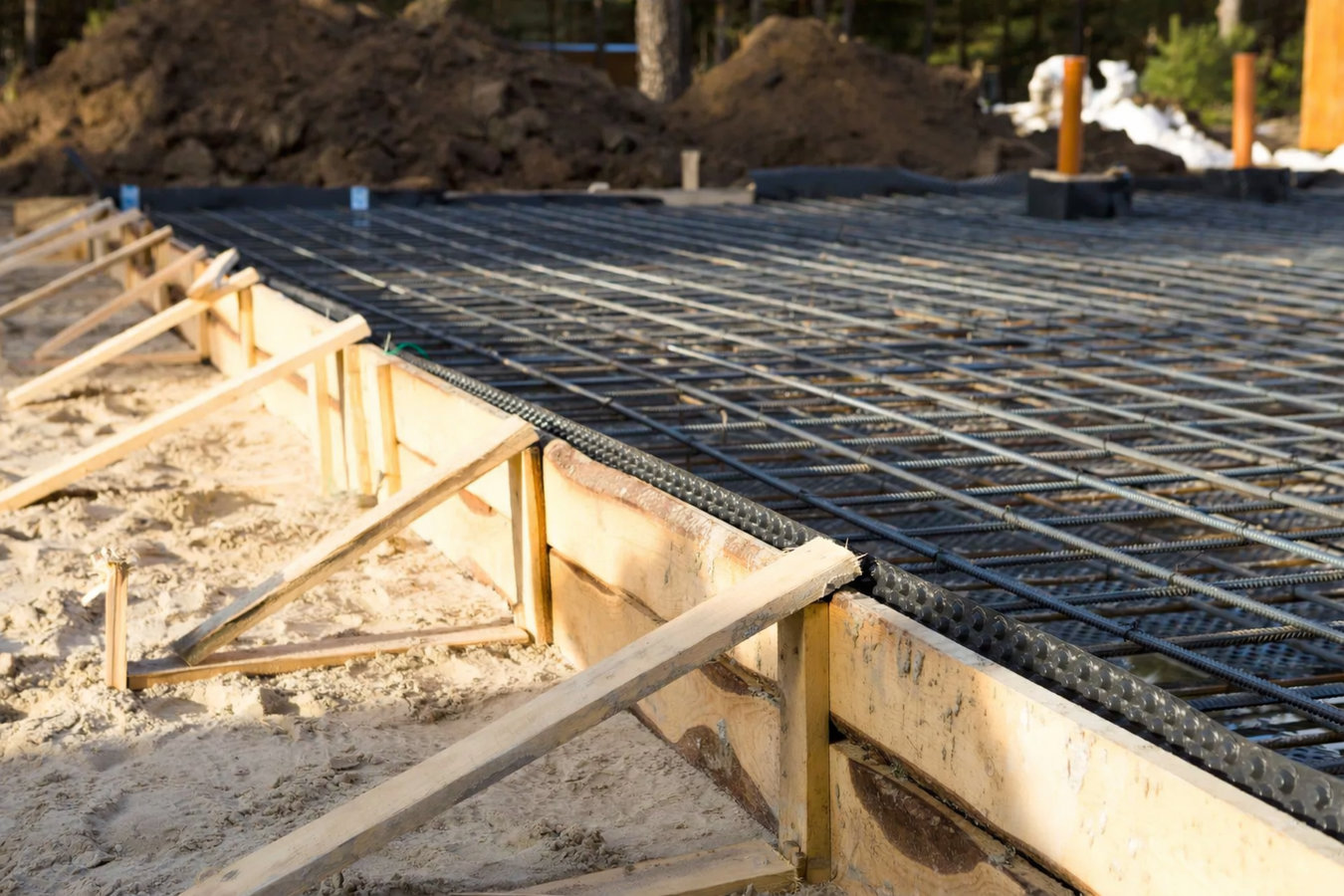
A garage, addition, or new structure is only as good as the concrete it sits on. We pour reinforced slabs with proper drainage, moisture barriers, and city permits - built to hold up through Connecticut winters for decades.
Slab foundation building in Middletown means excavating and leveling the site, laying a compacted gravel drainage base, installing a plastic moisture barrier, placing steel reinforcement, and pouring the concrete - most residential projects take one to two weeks from permit approval to the day you can begin framing, with the pour itself completed in a single day.
A lot of homeowners in Middletown start thinking about a slab when they are adding a detached garage, building a home addition, or finishing an accessory structure on their property. The city's older housing stock - much of it built between the 1940s and 1980s - means many projects involve tying a new slab into existing construction, which requires someone who understands how older foundations have settled over time.
If your project also needs structural footings or a full below-grade foundation, we can coordinate both. See our foundation installation and concrete footings services for those situations.
If you are adding a garage, home addition, workshop, or accessory dwelling unit, you almost certainly need a slab foundation before any framing can begin. Without a proper concrete base, the structure will shift and settle unevenly over time - causing problems with doors, walls, and the roof above. This is the clearest sign: if you are building something new on the ground, a slab is likely where it starts.
Small hairline cracks in concrete are common and often harmless, but cracks wider than a quarter-inch, cracks that run in a stair-step pattern, or cracks where one side sits higher than the other signal that the slab is moving. In Middletown's freeze-thaw climate, cracks that were minor in October can open significantly by March. If you are seeing that kind of change, it is worth having a concrete contractor take a look before the damage gets worse.
If water sits on your slab surface or collects along its edges after rain, the drainage underneath may not be doing its job. This is a particular concern in lower-lying parts of Middletown near the Connecticut River, where the water table can be higher. Standing water accelerates freeze-thaw damage and can eventually undermine the ground beneath the slab.
A concrete slab should feel completely solid and flat. If a section flexes slightly when you walk on it, or the floor feels noticeably lower in one area than another, the ground beneath may have shifted or eroded. This is more common on Middletown properties with clay-heavy soil, which can compress or expand with seasonal moisture changes.
We pour reinforced concrete slab foundations for garages, home additions, workshops, accessory dwelling units, and other residential structures throughout Middletown. Every project starts with proper site preparation - excavation, grading, gravel base, moisture barrier, and steel reinforcement - before a single yard of concrete arrives. For projects that also need below-grade work, we coordinate slab installation with full foundation installation so both systems are built to the same standard and drainage plan.
We also handle replacement slabs for garage floors, outbuilding floors, and other existing concrete pads that have cracked, settled, or heaved beyond patching. Replacement work often involves breaking out the old slab, evaluating the subbase, correcting any drainage or soil issues that caused the original failure, and starting fresh. If your project involves structural footings as a starting point, our concrete footings service covers that separately.
Suits homeowners building a new detached garage, room addition, or accessory structure and need a permitted, reinforced concrete base from scratch.
Suits homeowners whose current garage floor, outbuilding slab, or concrete pad has cracked, settled, or heaved and is past the point of patching.
Suits homeowners adding a backyard ADU or in-law suite who need a properly permitted foundation before any framing begins.
Suits homeowners adding to an older Middletown home where new work must be carefully connected to an existing foundation that has settled over decades.
Middletown sits along the Connecticut River, and soil conditions across the city vary more than most homeowners realize. Properties in lower-lying neighborhoods can have clay-heavy ground that holds moisture and shifts seasonally, while upland areas tend to have better-draining sandy loam. That difference matters a lot for how the drainage layer and moisture barrier under your slab are designed. A contractor who uses the same subbase specification on every job in the city is guessing - and an incorrect guess shows up as cracking or heaving within a few winters. Homeowners in areas like Meriden and New Britain face similar soil variables, which is why we assess each lot before we design the base.
Middletown's freeze-thaw cycle is a consistent threat to any concrete work done without proper preparation. Temperatures regularly swing from well below freezing in winter to hot and humid in summer, and that repeated cycle puts stress on a slab that was not properly drained and cured. The city's older housing stock - including many postwar ranch-style homes in neighborhoods like Westfield - means a significant share of slab projects involve replacing or adding to original work from the 1950s through 1970s. That context requires a contractor who knows what to look for when connecting new concrete to old, settled structures. The Connecticut Department of Consumer Protection maintains contractor license requirements for all home improvement work in the state.
Reach out by phone or contact form and we respond within one business day. We will ask a few basic questions: what you are building, roughly how large the slab needs to be, and whether you are starting from scratch or adding to an existing structure. This is just enough to know whether a site visit makes sense before we discuss numbers.
We visit your property to check the site in person - ground level, truck access, and any existing structures nearby. After the visit you receive a written estimate that breaks down labor and materials. If a contractor gives you only a verbal quote or a single lump-sum number, ask for more detail before agreeing to anything.
Once you accept the estimate, we apply for a building permit through the City of Middletown Building Department. This typically takes a few business days to a couple of weeks. We handle the entire process - you do not need to visit the permit office. We keep you updated and confirm your start date once the permit is approved.
The crew excavates and levels the area, lays the gravel drainage base, installs the moisture barrier, and sets the steel reinforcement before any concrete arrives. The pour itself takes one day. After curing - at least one week before anything goes on the slab - the city inspector completes the final sign-off and we do a walkthrough with you.
We respond within one business day. Free written estimate, no obligation, and we handle the permit from start to finish.
Middletown's soil varies significantly - sandy loam in some areas, clay-heavy ground near the Connecticut River. We assess your specific lot before designing the drainage layer and moisture barrier, so the prep work matches what your ground actually needs. A slab built on assumptions about soil conditions is a slab that moves.
Every slab foundation we build goes through the City of Middletown's permit and inspection process from start to finish. We handle the application and inspector coordination - you do not fill out a single form. That paper trail protects your investment when you sell or refinance, and it means a city inspector independently verified the work at the most critical stage.
City of Middletown Building DepartmentMiddletown's freeze-thaw cycle is one of the harshest tests any concrete slab faces. We take the gravel drainage layer and moisture barrier seriously - not as a formality, but as the reason your slab still looks right ten years from now. No cold-weather pours without proper protection, no shortcuts on the base that cost you later.
American Concrete InstituteConnecticut's construction season is short, and contractors who overpromise on timing leave homeowners frustrated. We give you a realistic start date based on actual permit timelines and crew availability - and we stick to it. You will know what to expect from your first call to your final walkthrough.
Every one of these factors adds up to a slab that holds its shape through Middletown winters and does not surprise you with cracking or movement five years later. We build the base the way it should be built - and we stand behind it.
Need a full basement or crawl space foundation rather than a slab? We handle complete foundation installations for new homes and additions throughout Middletown.
Learn MoreFootings are the base your slab or foundation walls sit on - properly poured below the frost line to prevent winter heaving and long-term movement.
Learn MoreConnecticut's construction season fills up fast once the ground thaws - reach out now to lock in your start date and get a written estimate before spring slots are gone.