Loading...
Serving Middletown, CT and surrounding areas. (860) 854-0848
Middletown Concrete Company serves West Hartford, CT with concrete driveway installation, patio construction, steps, and retaining walls designed for the town's pre-1960 Colonials, Tudors, and tree-lined lots. We reply within one business day and provide free written estimates across all West Hartford neighborhoods, from Elmwood and Bishops Corner to the streets near West Hartford Center.
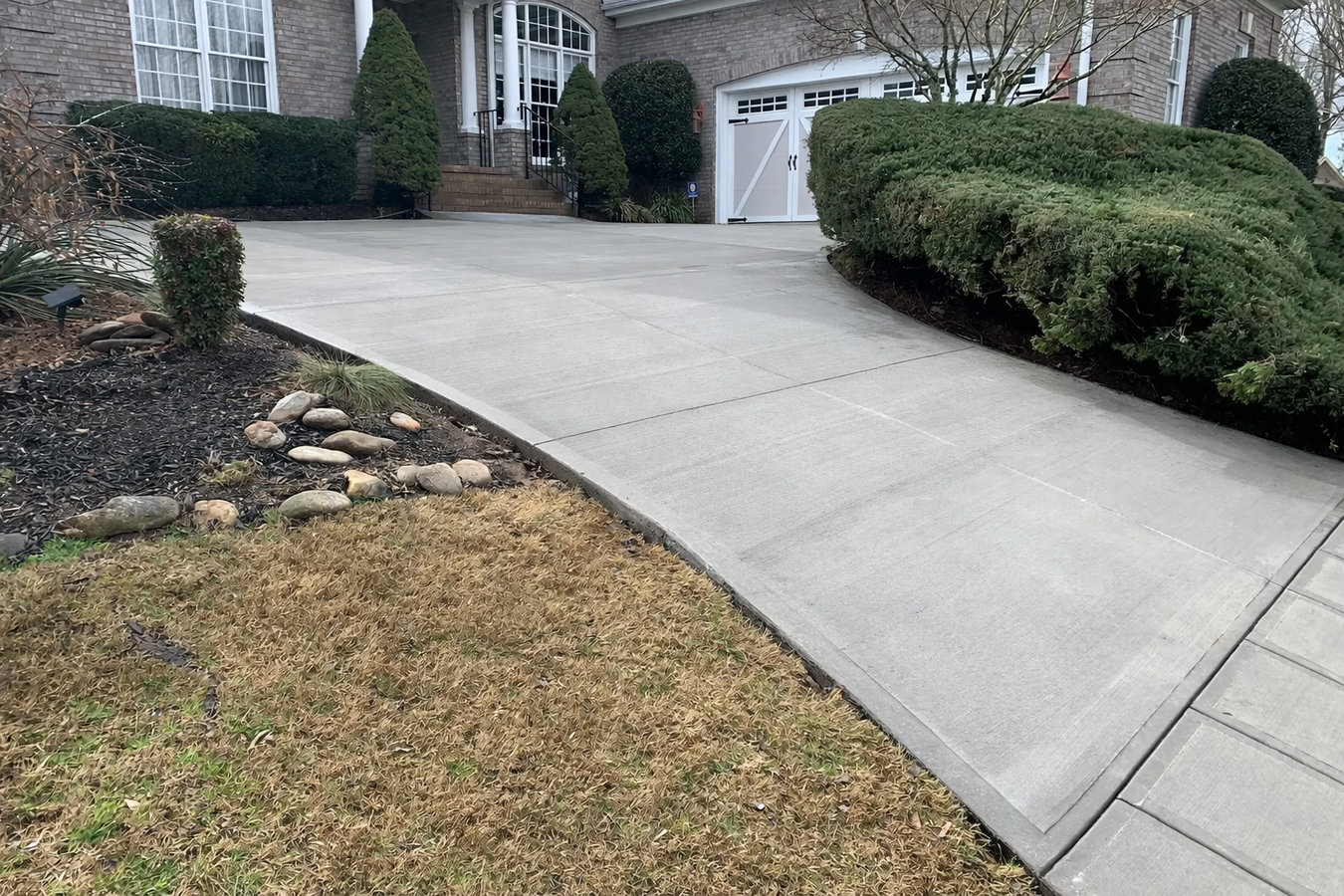
West Hartford's older Colonials and Tudors typically have driveways that were poured decades ago without the base preparation or joint spacing needed to survive the town's repeated freeze-thaw cycles. Our concrete driveway building work in West Hartford includes demolishing the old slab, addressing root intrusion from mature street trees where needed, preparing a compacted gravel base of the correct depth, and pouring to a thickness and mix suited for this climate.
West Hartford backyards on the older streets near Fern Street and Hartford Avenue often have original masonry or concrete patios that have settled unevenly after decades of frost movement under clay-heavy soil. A new patio poured with proper drainage pitch and a well-prepared base stays level and functional for decades without the tilting and cracking that plagues West Hartford patios built without attention to subsurface conditions.
West Hartford homeowners who want a patio, walkway, or entry pad that matches the character of a Colonial or Tudor home often choose stamped concrete over plain poured concrete. Stamped concrete with a slate, cobblestone, or flagstone pattern gives the traditional look these homes call for while delivering the durability and low maintenance of solid concrete rather than individual pavers that can shift and collect weeds over time.
The front entry steps on West Hartford's older homes are a visible and safety-critical part of the property. Steps that have settled, cracked, or pulled away from the foundation at the riser often look fine at a glance but create a real trip hazard and allow water to work its way toward the foundation below. New steps formed and poured to current pitch and footing standards hold their position through West Hartford winters without repeating that cycle.
Grade changes in West Hartford yards - particularly on the larger lots in the northern and western parts of town - often require retaining walls to hold back soil on sloped properties. Clay soil that holds water puts significant pressure on walls that were not built with drainage behind them, eventually tilting or cracking them. We build walls with proper drainage aggregate and weep holes so water pressure does not build up behind the wall over time.
Walkways and front paths on West Hartford properties with large maples and oaks are constantly working against tree roots that push sections up from below. Replacing damaged walkway sections with properly graded concrete and control joints spaced to account for root pressure gives West Hartford homeowners a path that holds its grade much longer than the original, especially when roots are addressed as part of the prep work.
A large portion of West Hartford's housing was built before 1960, making it a town where most homeowners are living in houses that are 65 to 100 years old. Brick and wood-frame Colonials, Tudor-style homes with stucco and half-timbering, and Cape Cods from the postwar era make up the majority of the residential stock on streets that stretch from the Elmwood neighborhood in the south to Bishops Corner in the north. These homes are well built and well kept, but the concrete and masonry work around them - driveways, front walks, steps, and retaining walls - has been through decades of Connecticut winters. West Hartford averages around 45 inches of snow per year, with January temperatures regularly dropping below 20 degrees Fahrenheit and the ground freezing to significant depth each winter. Concrete that was poured without adequate base depth or joint spacing goes through frost heave cycles every year until it fails.
The town's mature tree canopy, one of West Hartford's most valued features, adds a complication for concrete work. Large oaks, maples, and elms that line residential streets and fill backyards have root systems that extend well beyond their drip lines and work under driveways, walkways, and patio slabs over time. Clay-heavy soils in the Hartford area also hold moisture against concrete surfaces and foundations rather than draining it away, as documented in USDA Web Soil Survey data for Hartford County. The combination of root pressure, saturated clay, and repeated freeze-thaw cycles means that concrete work in West Hartford fails faster than in towns with sandier, better-draining soil - and replacement done without addressing those underlying conditions will fail for the same reasons.
Our crew works throughout West Hartford regularly, and we understand the conditions that affect concrete work across this town's distinct neighborhoods. West Hartford permit requirements for structural work are administered through the Town of West Hartford, and we handle applications for all projects that require them. Working in West Hartford means knowing the difference between a job near a mature street tree on a tight Colonial lot and a job on a larger open lot in the quieter western end of town - the prep work, equipment needs, and approach are different even when the project type is the same.
West Hartford has a lot of texture from one neighborhood to the next. The older homes in Elmwood, with their closer lots and denser housing, present different access conditions than the larger-lot properties north of Fern Street or the areas out toward Bishops Corner. Elizabeth Park, sitting on the West Hartford-Hartford border, is a landmark that most longtime residents know well and a useful reference for understanding where the town's older residential core lies. The blocks near West Hartford Center and Blue Back Square blend older housing with newer development, which means encountering a wider range of property ages and concrete conditions within a few blocks of each other.
We serve the broader Hartford area, including our neighbors in Hartford directly to the east and New Britain to the south, so we move between communities regularly and bring consistent knowledge of Hartford County soil conditions, permit offices, and building stock to every job in West Hartford.
Call or submit an estimate request online. We respond within one business day - usually sooner. A quick description of what you need and your address is all we need to get started.
We visit your West Hartford property to assess the existing conditions, measure the scope, check for root issues or drainage concerns, and give you a written estimate with the full price. You will know exactly what it costs before agreeing to anything.
If the project requires a permit from the West Hartford Building Department, we manage the application and schedule the job after approval. You do not need to track the permit process yourself.
Our crew completes demolition, prep, forming, and pouring, then cleans the site before leaving. We walk you through the finished work and give you clear guidance on curing time before vehicles or foot traffic return.
We serve all of West Hartford, CT - from Elmwood to Bishops Corner to the streets near West Hartford Center. Free written estimates, no obligation. We reply within one business day.
West Hartford is a town of roughly 63,000 people sitting directly west of Hartford, one of the largest and most well-established communities in Connecticut. The town has a homeownership rate above 65 percent and a housing stock dominated by pre-1960 construction - brick and wood Colonial homes, Tudor-style houses with decorative half-timbering and stucco, and postwar Cape Cods on tree-lined streets. Neighborhoods vary significantly in character from one part of town to another. Elmwood, in the southern portion of the town, has a denser, more urban feel with smaller lots and a mix of single- and two-family homes. Moving north and west toward Bishops Corner and beyond, the lots get larger, the homes spread out, and the neighborhood becomes quieter and more suburban. West Hartford Center, the walkable core of the town anchored by the LaSalle Road and Farmington Avenue corridors, is a draw for residents and visitors and is home to the Blue Back Square mixed-use development that opened in the mid-2000s.
West Hartford is known for its mature tree canopy - large oaks, maples, and elms line most residential streets and fill backyards across the older neighborhoods. Elizabeth Park, on the West Hartford-Hartford border, is one of the town's most recognizable landmarks, housing one of the oldest municipal rose gardens in the country. Families move to West Hartford for the school district and often stay for decades, which creates a town of long-term homeowners who invest in maintaining and improving their properties. We serve West Hartford alongside the adjacent communities of Hartford and New Britain, moving between these communities regularly and applying consistent knowledge of Hartford County conditions across all of them.
Get a durable, long-lasting driveway built to handle Connecticut winters.
Learn MoreTransform your backyard with a beautiful, custom concrete patio.
Learn MoreSafe, smooth sidewalks installed to code for homes and businesses.
Learn MoreStrong retaining walls that control erosion and define your landscape.
Learn MoreProfessional floor installation for residential and commercial spaces.
Learn MoreCustom concrete steps built for lasting curb appeal and safety.
Learn MoreCommercial parking lots built for durability and high traffic.
Learn MoreWest Hartford's freeze-thaw winters are tough on driveways, steps, and patios built on clay soil and under mature trees. Call us or send an estimate request and we will reply within one business day.