Loading...
Serving Middletown, CT and surrounding areas. (860) 854-0848
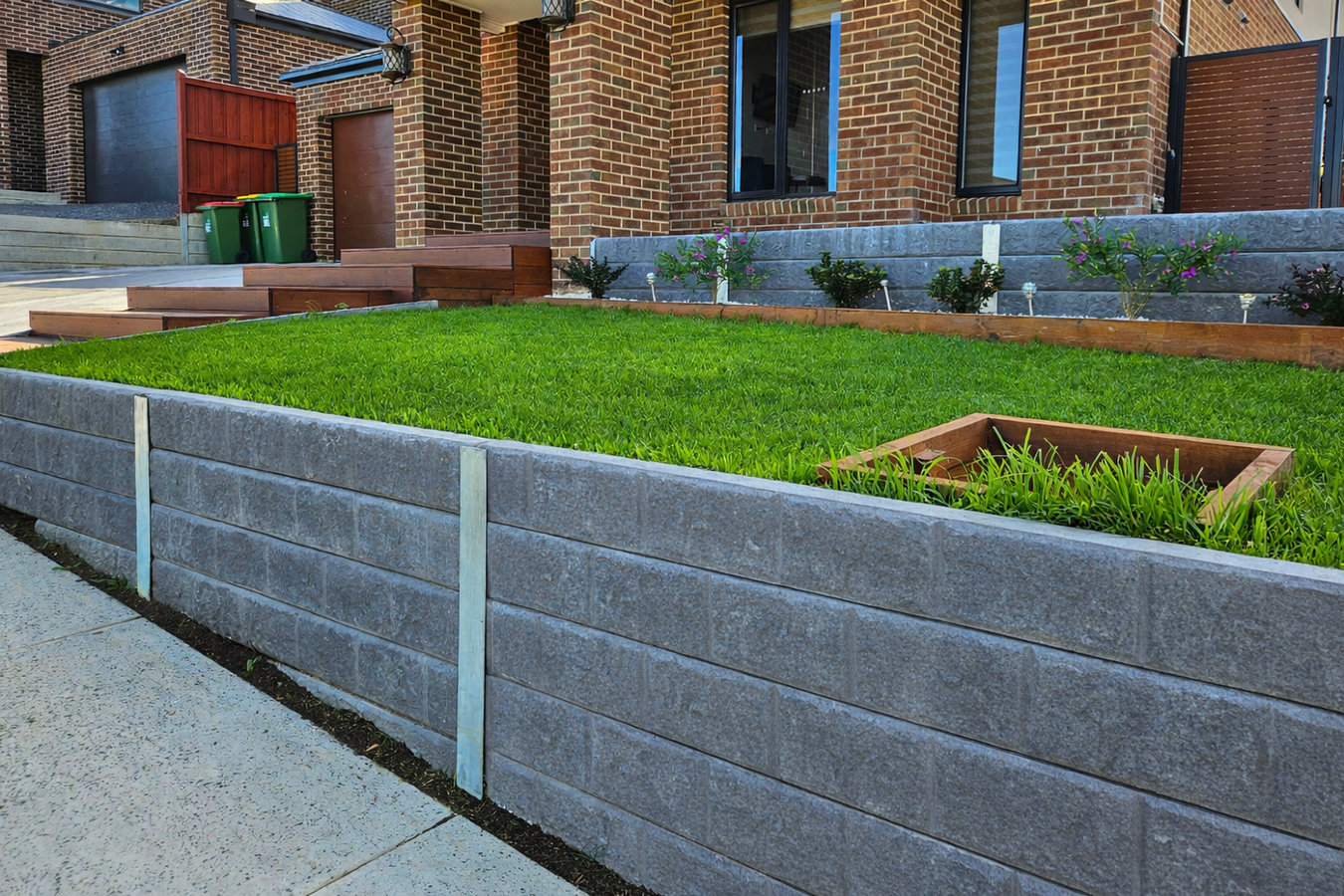
A sloped yard that washes out every spring is more than an eyesore - it can threaten your foundation. We build concrete retaining walls with proper drainage so your slope stays put through every Connecticut winter.
Concrete retaining wall building in Middletown involves excavating the area, preparing a compacted gravel base, setting forms, pouring the concrete with drainage materials installed behind the wall, and backfilling once the concrete has cured - most residential walls are completed in one to three days of active work, though the concrete needs additional time before backfilling can begin.
For many Middletown homeowners, the immediate problem is a yard that has been losing ground a little more every spring. The city's hilly terrain - shaped by the Connecticut River valley and the Metacomet Ridge to the west - means a lot of residential lots have significant grade changes where soil movement is a real concern. Older homes in neighborhoods like Westfield and areas near the ridge often have existing walls built from railroad ties or dry-stacked stone that are now reaching the end of their useful lives.
A well-built retaining wall does more than just hold back soil. Paired with concrete floor installation or concrete steps construction, it can transform an unusable sloped yard into a fully functional outdoor space.
If you notice soil, mulch, or gravel moving downhill after a heavy rainstorm, your slope is actively eroding. Middletown receives significant rainfall through the year, and spring storms can be intense - without something holding the grade in place, erosion compounds season after season until it reaches your foundation, driveway, or a neighbor's property.
A retaining wall that has started to tilt forward, shows horizontal cracks across the face, or has a visible bulge in the middle is under more pressure than it can handle. In Connecticut's freeze-thaw climate, a wall that looked fine in October can shift noticeably by April. Do not wait for it to fall before calling someone.
If there is a section of your property that is essentially unusable - too steep to mow safely, too unstable to plant, or too close to a drop-off to feel comfortable - a retaining wall can level that area and turn it into functional outdoor space. Many Middletown homeowners on hillside lots have reclaimed patios, garden beds, and play areas this way.
When a slope behind or beside your house directs water toward the foundation, you may notice damp basement walls, water stains at the base of the foundation, or soft ground near the house after rain. A retaining wall with proper drainage can redirect that water away from the structure before it causes serious damage.
We build poured concrete retaining walls for residential properties throughout Middletown and the surrounding area - from short garden walls that define a planting bed to taller structural walls that stabilize a hillside or protect a foundation. Every wall includes proper drainage behind it - gravel backfill and a perforated drain pipe - to prevent water pressure from building up and pushing the wall forward over time. If you are dealing with an existing wall that is leaning or failing, we handle full removal and replacement as well. Homeowners who want a complete outdoor project can combine a retaining wall with concrete steps to create a safe, finished transition between levels.
We also work with homeowners who need to replace aging railroad tie or timber walls that are rotting or shifting. Walls from the 1960s through the 1980s - common on Middletown lots developed during that era - are now frequently at the end of their useful lives. A concrete replacement will outlast the original by decades and requires far less ongoing maintenance. For projects paired with broader landscaping or outdoor living updates, we can coordinate the retaining wall work alongside concrete floor installation for garages or basements.
Homeowners whose yard slopes significantly toward the house or who want to reclaim unusable hillside space.
Properties with aging wood walls that are rotting, leaning, or no longer holding the slope effectively.
Homeowners whose foundation is receiving water runoff or soil pressure from an adjacent slope.
Homeowners who want a low wall to define planting areas, terraces, or outdoor living spaces.
Middletown sits in USDA Hardiness Zone 6b and experiences repeated freeze-thaw cycles from November through March. Water that seeps behind a poorly drained retaining wall expands when it freezes, pushing against the concrete with enormous force - this is the most common reason retaining walls crack or lean in Connecticut. The city's topography adds to the challenge: the Connecticut River valley and the Metacomet Ridge to the west create significant grade changes on many residential lots, and Middletown's clay-heavy soils hold water and expand when wet, putting extra lateral pressure on any wall. A contractor who understands these local conditions will build drainage into the wall design from the start, not treat it as an optional add-on. For homeowners in Bristol and surrounding communities, the same freeze-thaw and clay-soil challenges apply across this part of central Connecticut.
Middletown also has a large share of homes built between the 1940s and 1970s, which means many properties have existing retaining walls from that era - often railroad ties, dry-stacked stone, or early concrete block - that are now failing. The city requires a building permit for walls above four feet, which means those replacement projects need to be done by a contractor who knows the local permit process. Homeowners in Glastonbury and other nearby towns face similar considerations when replacing aging walls on sloped properties. Getting the permit pulled correctly protects you at resale and ensures the work meets the standards the city requires.
Learn more about Connecticut retaining wall design standards from the Federal Highway Administration and concrete construction best practices at the American Concrete Institute.
Reach out by phone or contact form. We respond within one business day. A retaining wall quote based on a phone description alone is rarely accurate, so we schedule an in-person site visit to see the slope, the soil, and what is above and below the wall.
We assess the slope, soil conditions, drainage, and any existing structures near the wall location. You receive a written estimate that breaks out excavation, base prep, drainage materials, forming, pour, backfill, and cleanup - no surprises added later.
If your wall will exceed four feet in height, we handle the building permit with the Middletown Building Department before work begins. Before digging starts, we call 811 - Connecticut's required utility locate service - to mark underground lines on your property.
We excavate, prepare a compacted gravel base, set forms, install drainage behind the wall, and pour the concrete. After the concrete cures - typically at least a week before backfilling begins - we schedule the required inspection and walk you through the completed project.
Free site visit, written estimate, no pressure. We respond within one business day.
Every retaining wall we build includes gravel backfill and drainage outlets behind the wall. In Middletown's freeze-thaw climate, water trapped behind a wall is the single most common cause of failure. We design drainage in at the planning stage, not as an afterthought.
Walls over four feet in Middletown require a building permit and inspection through the city's Building Department. We manage that entire process on your behalf - the application, the schedule coordination, and the inspection sign-off. The paperwork goes in your home records.
Central Connecticut's glacially deposited clay soils put more lateral pressure on retaining walls than sandy soils do. We account for this in every wall's footing depth, thickness, and drainage design - not because it is an upsell, but because it is what the soil here actually requires.
Portland Cement AssociationWe hold the state-required Connecticut Home Improvement Contractor registration through the Department of Consumer Protection, plus full liability insurance and workers' compensation coverage. You can verify both before signing anything.
CT Dept. of Consumer ProtectionEvery retaining wall project we take on gets the same attention: a real site visit before any price is given, drainage built in as a standard part of the wall design, and permits handled from start to finish. When the inspector signs off, you have documentation that the work meets Middletown's standards - and that matters at resale.
Pair a retaining wall project with a new basement or garage floor for a complete exterior and interior concrete upgrade.
Learn MoreAdd concrete steps to connect a retaining wall with the levels of your yard or home entry for a finished, safe transition.
Learn MoreSlope erosion gets worse every season you wait - reach out now and we will visit your site, assess the conditions, and give you a written quote.