Loading...
Serving Middletown, CT and surrounding areas. (860) 854-0848
A weak foundation causes cracking walls, sticking doors, and wet basements for as long as the house stands. We install properly excavated, waterproofed, and permitted foundations for new construction and older Middletown homes.
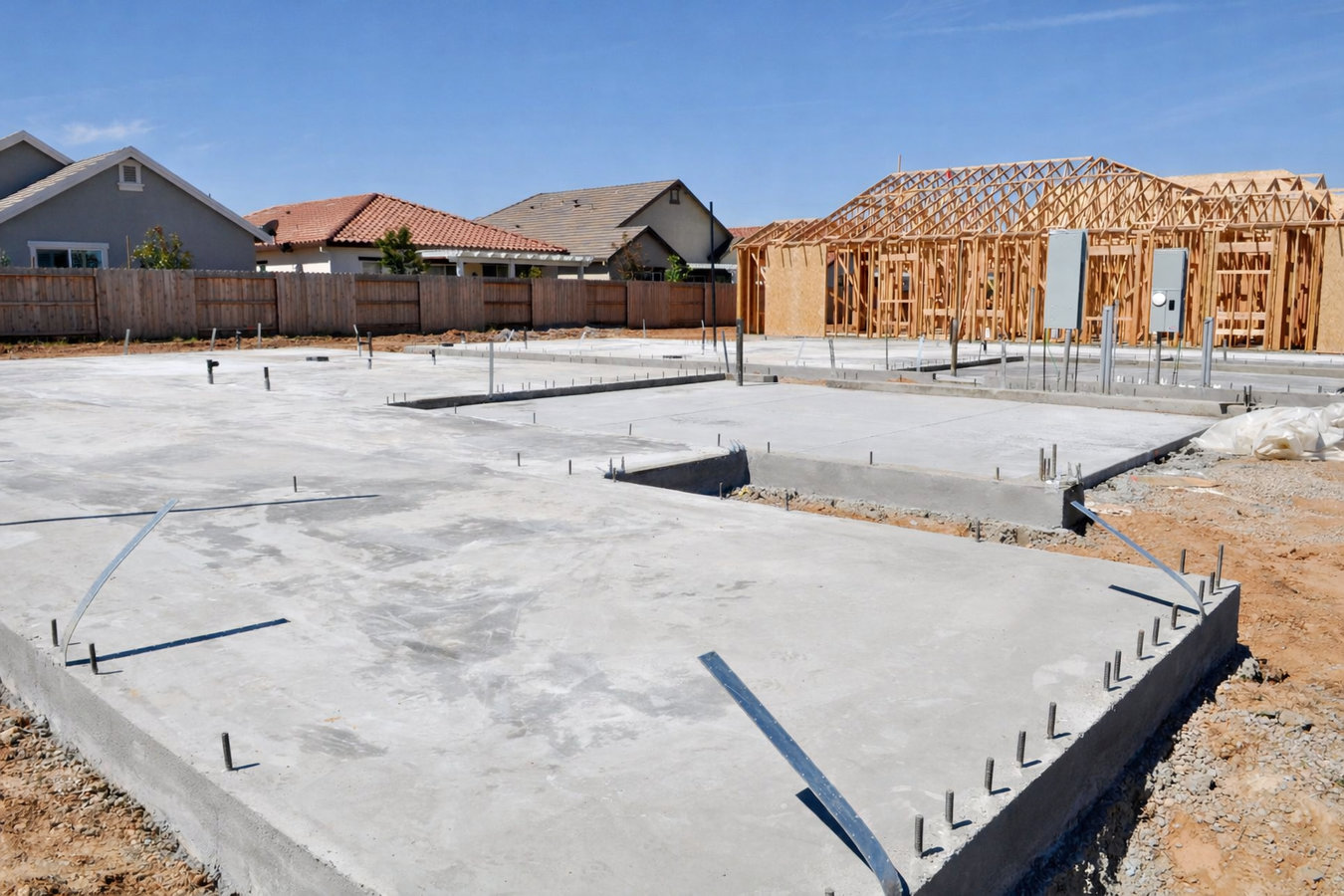
Foundation installation in Middletown means excavating to below Connecticut's frost line - typically 42 to 48 inches deep - forming and pouring the footings and foundation walls, applying exterior waterproofing, installing a perimeter drainage system, and backfilling with proper grading. Most single-family home projects run two to four weeks from first excavation to final city inspection.
Foundation work in Middletown falls into two main categories: new installations for homes or additions being built from scratch, and replacement projects where an existing foundation - often 80 to 100 years old in the city's older neighborhoods - has deteriorated to the point where repair is no longer sufficient. Replacement work is more complex because the house must be carefully supported while the old foundation is removed, which is why it is important to hire a contractor who has specific experience with that type of project.
For projects that only need a flat concrete base rather than a full below-grade foundation, see our slab foundation building service. For properties that need a surface outside the new structure, concrete parking lot building is handled separately.
Small hairline cracks in concrete are common and usually not urgent. But if you see cracks wide enough to slip a pencil into, or cracks that run diagonally from the corners of windows and doors, the foundation may be moving or settling unevenly. In Middletown's older neighborhoods, where many foundations are 80 or more years old, this kind of movement is worth having a professional evaluate sooner rather than later.
When a foundation shifts, the frame of the house shifts with it - and the first place you usually notice is in doors and windows that used to open and close easily. If a door drags on the floor or a window will not latch the way it used to, and you have not had any obvious cause like a renovation, it is worth having someone look at the foundation. This is especially common in Middletown homes built before 1960.
Connecticut's wet springs mean that a foundation without proper waterproofing will eventually let water in. If you are seeing puddles, damp walls, or a musty smell in your basement after a rainstorm or during the spring thaw, the foundation's drainage system may be failing or may never have been properly installed. Left alone, water intrusion leads to mold, damaged belongings, and eventually structural problems.
Stand in your basement and look along the length of each wall. If a wall appears to curve inward or lean toward you rather than standing straight, soil pressure from outside is pushing against the foundation. This is more common in Middletown's older homes where original foundation walls were built without modern reinforcement. This type of problem does not fix itself - it gets worse over time.
We install full below-grade foundations for new home construction and additions, and we replace existing foundations on Middletown's older housing stock. Every installation includes excavation to the correct depth for Connecticut's frost line, properly sized footings, formed and poured foundation walls, exterior waterproofing, and a perimeter drainage system to keep water away from the structure. For projects that also need a flat slab floor inside the structure, we coordinate that with our slab foundation building work so both systems drain and cure together.
Foundation replacement on older Middletown homes - especially those built before 1960 - involves temporarily supporting the house while the old foundation is removed and a new one is installed beneath it. This is a specialized process that not every concrete contractor performs. We also handle foundation installation for additions, accessory structures, and commercial properties where a new full-depth concrete foundation is required before framing can begin. Projects requiring additional paved surfaces around the new structure can be paired with our concrete parking lot building service.
Suits homeowners building a new home or substantial addition and need a fully excavated, permitted basement or crawl space foundation before framing begins.
Suits Middletown homeowners with failing original foundations - many 80 to 100 years old - that need to be removed and replaced while the house is temporarily supported.
Suits homeowners adding a large room addition, in-law suite, or accessory dwelling unit that requires its own full below-grade concrete foundation.
Suits properties near the Connecticut River or in low-lying areas where standard drainage is not enough and a more robust perimeter system is needed from the start.
Middletown's position along the Connecticut River means that soil conditions - and drainage requirements - vary significantly by neighborhood. Properties in lower-lying areas near the river can have a higher water table and clay-heavy soil that expands and contracts with seasonal moisture changes. That kind of ground puts extra pressure on foundation walls and makes exterior waterproofing and perimeter drainage more important, not optional. Homeowners in nearby areas like Hartford and Glastonbury face similar Connecticut River Valley soil conditions, where a careful drainage assessment before the pour makes the difference between a dry basement and a wet one every spring.
A large portion of Middletown's housing stock was built before 1960, and many of those homes have original foundations that are now reaching the end of their useful life. Foundation replacement in an older home is more involved than new construction - it requires temporarily supporting the house, removing decades of settled structure, and installing a new foundation that accounts for how the building has shifted over time. The National Association of Home Builders maintains guidance on residential foundation standards for contractors doing this type of work.
Reach out by phone or contact form and we respond within one business day. We will ask a few basic questions - size of the project, whether it is new construction or a replacement, and the general location of your property. Most foundation projects require a site visit before we give you a written estimate, because pricing depends heavily on what we find when we look at your lot, soil, and existing structure.
We visit your property to check the site in person - soil conditions, water table indications, proximity to the Connecticut River, and any existing structures. You receive a written, itemized estimate covering excavation, materials, waterproofing, drainage, backfill, and permit fees. No verbal quotes, no lump sums without explanation.
Once you accept the estimate, we apply for a building permit through Middletown's Building Department - typically a few days to a couple of weeks depending on workload. We handle the entire process and keep you updated on approval status. Once the permit is in hand, we confirm your start date and clear the schedule.
The crew excavates to the required depth, sets forms, and pours the footings and foundation walls in stages with city inspector sign-offs between them. After the walls cure, exterior waterproofing and drainage are installed, the area is backfilled and graded away from the house. A final city inspection closes out the permit and we do a walkthrough with you before we leave.
We respond within one business day. No pressure, no obligation - just a clear, itemized number you can compare with confidence.
Connecticut's frost line sits roughly 42 to 48 inches below the surface. Any footing placed above that depth will be pushed upward by the freeze-thaw cycle over time - causing the cracks and settling you were trying to avoid. Every foundation we install in Middletown is excavated to the correct depth for this climate, not the minimum that could pass a quick look.
American Concrete InstituteParts of Middletown - especially properties closer to the Connecticut River or in lower-lying neighborhoods - have soil that holds water. A foundation installed without accounting for your lot's drainage conditions will eventually let water in. We assess drainage before we pour a single yard of concrete, and waterproofing plus a perimeter drain system are standard on every full foundation project.
Many homes in Middletown were built in the early to mid 20th century. Replacing or underpinning a foundation in a home that has been standing 80 or 100 years requires a different level of care than new construction. The house must be carefully supported during the process, and the work must account for how the existing structure has settled. We have done this type of project in Middletown's older neighborhoods and know what to look for.
Navigating Middletown's building permit process can feel overwhelming. We handle the permit application, coordinate the required city inspections, and make sure every stage of the work is signed off before we move forward. When the job is done, you have a complete paper trail proving the work was done right - which matters when you sell, refinance, or make an insurance claim.
City of Middletown Building DepartmentA foundation is the one part of your home where cutting corners has consequences that show up for decades. We do the job correctly from excavation to final backfill - and we have the permit records to prove it.
For commercial or multi-unit properties needing a paved surface to accompany a new foundation, we build durable concrete parking lots throughout the Middletown area.
Learn MoreAdding a garage, workshop, or accessory structure rather than a full below-grade foundation? A reinforced concrete slab may be the right solution for your project.
Learn MoreOur calendar fills up fast once the ground thaws - reach out now to lock in your spring start date before the season fills.