
Loading...
Serving Middletown, CT and surrounding areas. (860) 854-0848
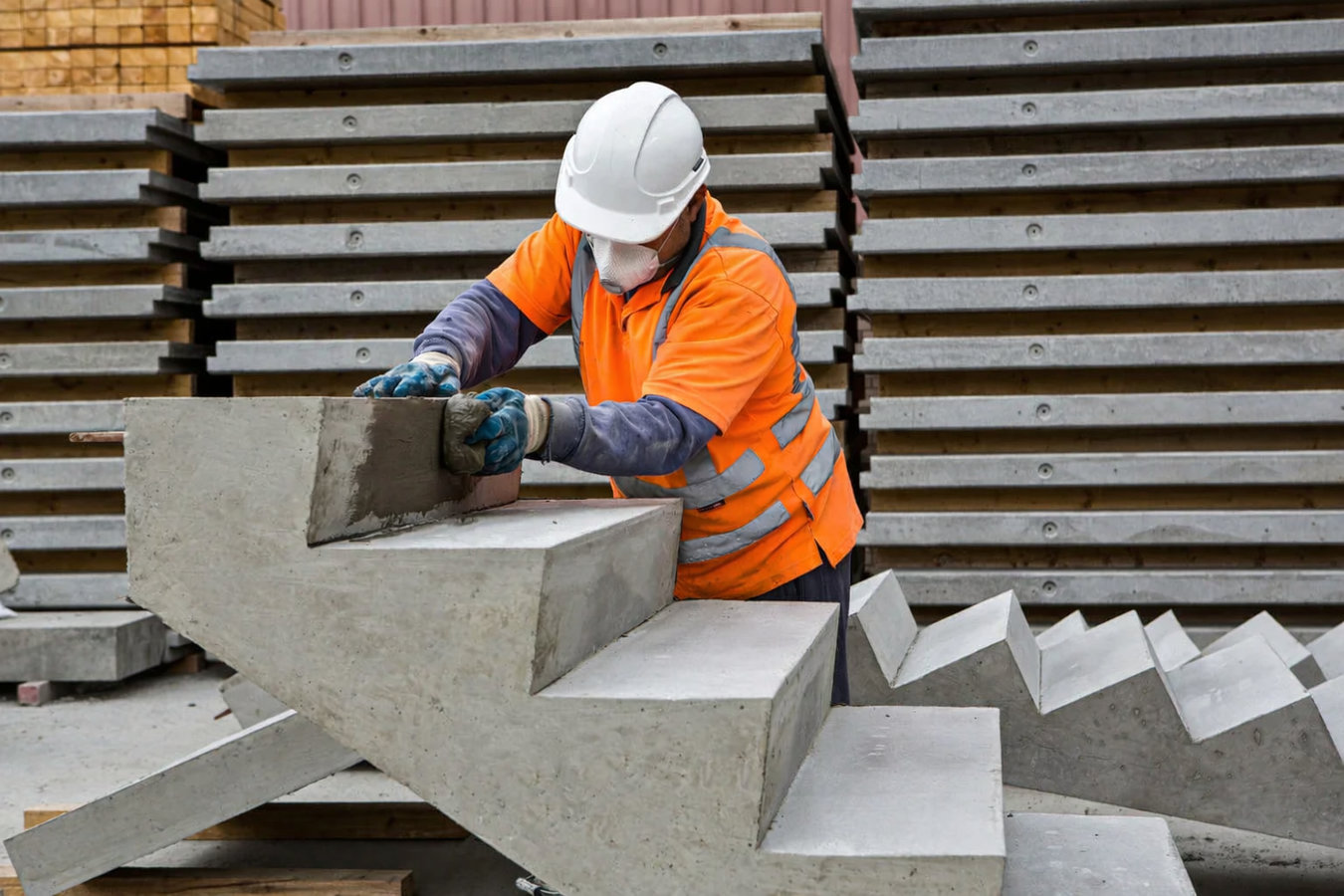
Cracked, tilting, or crumbling front steps are a daily hazard - and every Middletown winter makes them worse. We replace and build concrete steps with proper footings and finishes that hold up through decades of freeze-thaw cycles.
Concrete steps construction in Middletown involves demolishing and hauling away the old steps, excavating and preparing a stable base, setting forms sized to your entry, pouring the concrete, and applying a broom finish for grip - most standard front entry projects with three to five risers take one to two days of active work, followed by a curing period before normal use.
Middletown has a large share of homes built between the 1920s and 1970s, and many of those homes still have their original front steps. When those original steps finally fail - through cracking, tilting, or surface deterioration from decades of freeze-thaw cycles - the replacement job often turns out to be bigger than homeowners expect. The existing footing may have shifted, the soil underneath may need to be stabilized, and the new steps need to be built with current materials and methods to last another several decades.
For homes where the grade change requires more than just a few steps, pairing this project with concrete retaining walls or slab foundation work can address the full entry situation at once.
If you noticed a hairline crack last fall and it is noticeably wider now, water got in and froze - a cycle that is especially punishing in Middletown's winters. Small surface cracks can sometimes be patched, but cracks that run all the way through a step or are wider than a pencil usually mean the step needs to be replaced. Ignoring them means the damage will accelerate every winter.
If any of your steps wobble when you step on them, or you can see a gap opening between the steps and your foundation, the footing underneath has shifted. In Middletown, this often happens after a particularly harsh winter when the ground heaves and settles repeatedly. This is a safety issue - a tilted step is a fall waiting to happen, especially when wet or icy.
When the top layer of concrete starts to peel off in thin flakes, it usually means the surface was damaged by road salt or a poor-quality mix that could not handle freeze-thaw stress. You will often see this on steps that are 20 or more years old - common in Middletown's older neighborhoods where homes date back to the 1920s through 1970s. Once the surface starts flaking, patching buys time but replacement is usually the better long-term investment.
Steps should shed water away from your foundation, not collect it. If you see puddles sitting on the steps or water running toward the house after a rainstorm, the slope has either settled or was never right to begin with. Standing water accelerates cracking and can work its way into your foundation over time - especially in the spring when Middletown sees significant rainfall.
We build and replace poured-in-place concrete steps for residential homes throughout Middletown and the surrounding area - from simple front entry replacements to larger stair systems connecting different levels of a property. Every project includes full demolition and hauling of old steps, base preparation, proper footing work, and the pour - nothing is patched over a failing foundation. For projects where the grade change is significant, we coordinate steps work alongside concrete retaining wall construction so the two elements drain and function as a connected system.
We also work on basement and garage entry stairs, back yard steps between grade levels, and steps connecting a deck or pool area to the yard. For homeowners whose entry includes a failing landing or whose front walk needs to be rebuilt at the same time, we can extend the project to include slab foundation work or a connected concrete walkway so everything is poured together and settles as one unit.
Suited for homeowners whose existing front steps are cracking, tilting, or separating from the foundation and need full replacement.
For homes adding a new entry point or upgrading from wood or stone steps to poured concrete for the first time.
Best for properties with significant slope changes between the house, driveway, or yard that need a permanent stair solution.
Ideal for front entries that need a wider landing at the top, or multi-level transitions that require a resting point mid-run.
Middletown winters are demanding on front entry steps in ways that homeowners do not always anticipate. Temperatures regularly cross the freezing mark dozens of times between November and April, and every freeze-thaw cycle puts stress on any concrete that was not mixed and finished to handle it. Steps that looked fine in October can have visible new cracks by March. The city also has significant variability in soil - the Connecticut River Valley geology includes pockets of clay-heavy glacial soil that expand and contract with moisture, shifting the footings under older steps over time. That soil movement is why so many Middletown homes have steps that rock or have pulled away from the foundation. Homeowners in Southington and Bristol face the same conditions, and the same attention to footing depth and drainage applies across every project we take on.
The permit requirement from Middletown's Building Department is worth understanding before you start getting estimates. Most front step replacements that involve a new footing or structural connection to the house require a permit - and the process typically adds a week or two to the project start. Contractors who suggest skipping the permit are not doing you a favor. Work done without documentation can become a real problem when you sell your home or file a claim. A reputable contractor pulls the permit as a standard part of every project, not an optional add-on. Book early in the season - May and June fill up fast, and the best crews are scheduled months in advance.
Reach out by phone or contact form - we respond within one business day. We will ask a few basic questions: how many steps, whether there are existing steps to remove, and roughly when you are hoping to have the work done. Most contractors schedule a free on-site visit rather than quoting over the phone, because the condition of your existing steps and the soil underneath them matters a lot to the final price.
We look at your current steps, check how they are attached to the house, and assess the ground underneath for settling or drainage problems. You will receive a written estimate that includes demolition, footing work, forming, the pour, and cleanup. This is also your chance to discuss finish options - broom texture, width, and whether you want a landing at the top.
Once you agree on a price and sign a contract, we apply for the required building permit from Middletown's Building Department. This usually takes a few business days to a couple of weeks. We handle this entirely - you do not fill out a single form. Once the permit is in hand, we schedule your project and confirm the timeline.
The crew removes your old steps and hauls away the debris, then prepares the base and pours the new concrete. Your front entry will be blocked for at least 24 to 48 hours after the pour - plan to use another door. The city inspector reviews the finished work, and we do a final walkthrough with you covering care and what to avoid during the first month.
No pressure, no obligation - just an honest on-site assessment and a written estimate from a contractor who knows what Middletown winters do to concrete.
A lot of Middletown homes have older steps sitting on footings that have shifted or settled over decades. Some contractors pour right over the problem. We assess the ground and the existing base before giving you a price - so there are no mid-project surprises that suddenly change your bill. Middletown's variable soil conditions, including glacially deposited clay pockets, make this step genuinely important.
Step replacements that involve a new footing or attach to the house require a building permit in Middletown. We handle the application, the scheduling, and the inspector coordination from start to finish. That paperwork stays with your home records - which matters when you sell or file an insurance claim. You should not have to think about it.
Middletown Building DepartmentMiddletown winters are hard on concrete steps, and steps that were not built with freeze-thaw cycles in mind will start crumbling within a few years. We use the right concrete mix, apply a broom finish for grip, and seal the surface to protect against water infiltration. The result is steps that handle 30 or 40 winters without becoming a hazard.
American Concrete InstituteA large share of homes in Middletown were built between the 1920s and 1970s, and many have original steps that are finally failing. Replacement on an older home often involves more work than homeowners expect - the old footing may need to be broken out and rebuilt. We give you an honest assessment of what is underneath before committing to a price.
Each of those factors - soil assessment, permit compliance, freeze-thaw-resistant materials, and experience with older Middletown homes - determines whether your new steps are still safe and level in ten years or starting the same cycle of cracking and shifting all over again.
If your steps are failing due to foundation movement, a slab foundation project may address the root cause at the same time.
Learn MoreCombine new steps with a retaining wall to create a safe, finished transition between different levels of your yard.
Learn MoreSpring schedules fill fast - reach out now and get your project on the calendar so your new steps are in before the season gets away from you.